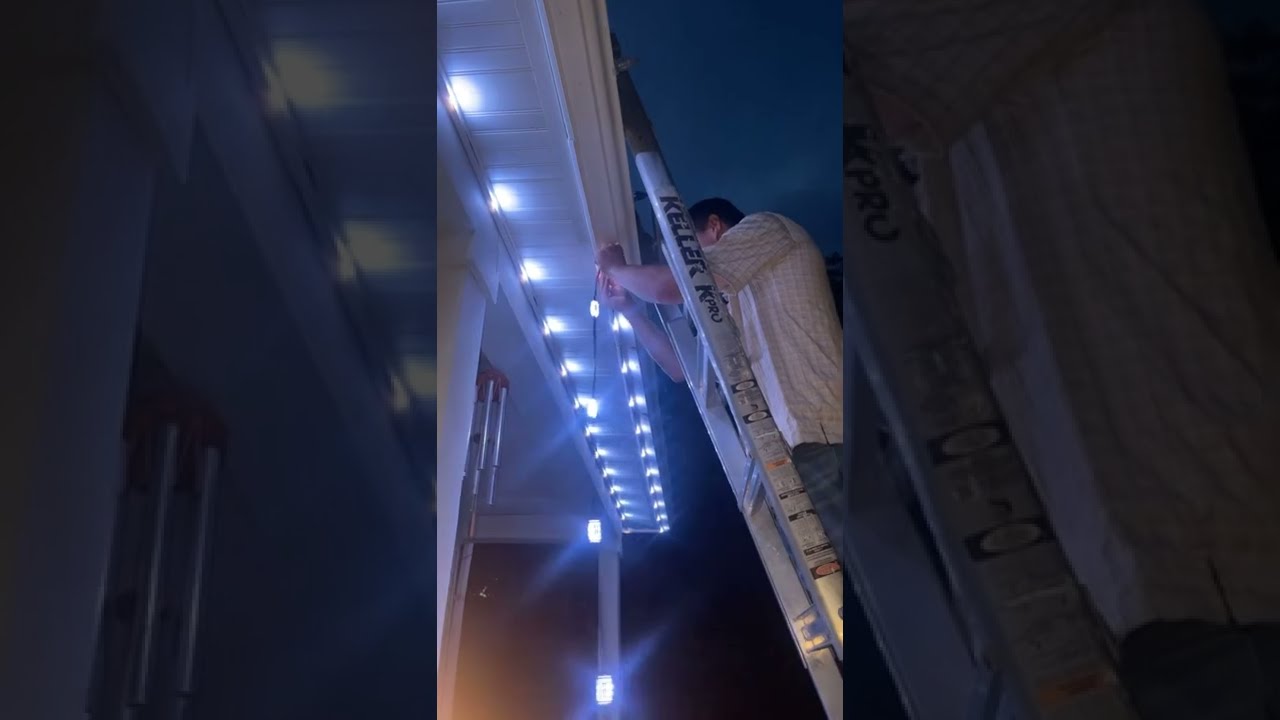
From Festive to Everyday: The Versatility of Long-term Vacation Lighting
There was a time when outdoor vacation illumination lived in storage space containers for eleven months of the year. Property owners dragged out twisted strings in late fall, climbed ladders in cold weather, replaced burnt bulbs, and packed everything away once more at some time after New Year's. That cycle still exists, however it is shedding ground to something extra functional and, frankly, better all year long: Long-term Holiday Lights.
What started as a seasonal convenience has actually come to be a smarter category of outside lights. The most effective systems no more serve just December visual charm. They function as architectural accent lights, protection lights, occasion illumination, game day lighting, and refined day-to-day illumination. When chosen and set up well, they can make a home appearance extra completed on a regular Tuesday in April than a temporary strand ever before did on Christmas Eve.
That shift matters since property owners are asking extra from exterior illumination than they made use of to. They desire something clean, sturdy, energy-efficient, and easy to manage. They likewise want lighting that matches the house itself, not just the calendar. That is where permanent systems have an advantage. They are made to go away when not in use, yet provide a wide variety of effects when activated.
Why these systems moved past the holidays
The biggest false impression regarding irreversible illumination is right there in the name. Individuals hear "holiday lights" and image red and environment-friendly scenes, fancy patterns, and a roofline that only makes good sense in December. In practice, the majority of home owners use these systems far more typically for non-holiday settings.
A long-term lighting system sits discreetly along the roofline, soffits, fascia, trim, or various other building lines. During the day, a high quality installation is hard to observe. During the night, it can highlight the shape of the home in a way that really feels sleek rather than temporary. That alone offers it a location beyond the vacation season.
The need has actually also grown due to the fact that today's LED systems are much more refined than older attractive lighting. Illumination can be adjusted. Colors can be customized. Timetables can be set. Entire scenes can be saved and recalled from an app. This transforms a once-a-year job right into part of the home's broader exterior lights plan.
I have seen house owners start the discussion intending to avoid climbing up ladders every winter, after that realize the bigger value is not seasonal ease at all. It is control. They can establish a soft amber glow for evenings on the outdoor patio, button to team colors for a watch party, use patriotic styles for summertime holidays, and return to downplayed cozy lighting the following evening without touching a solitary clip or expansion cord.
The day-to-day situation for irreversible lighting
The best disagreement for permanent systems is not uniqueness. It is convenience combined with restraint. Used well, the lights sustain the home as opposed to dominate it.
For everyday use, several families prefer refined scenes. A crisp white line under the soffits can make a dark frontage feel more secure and a lot more inviting. A low-brightness setup can light up access factors enough to aid guests locate the front door without depending on a harsh flood lamp. In neighborhoods where building illumination matters, this can be a cleaner aesthetic selection than wall-mounted area fixtures.
There is also a functional side for households. Outside illumination usually requires to do several work at the same time. It must assist with visibility, give the house a lived-in appearance when homeowners are away, and produce sufficient ambience for exterior time without transforming the property into an arena. Long-term LED systems can handle those completing needs better than a lot of temporary setups.
The key phrase right here is moderation. Not every home benefits from saturated shade every night. As a matter of fact, among the most appealing uses Irreversible Vacation Lights is typically the least staged one: soft, warm border lights that quietly traces the home's lines. Numerous homeowners specifically request for Traditional Warm Soft Lights since they want the look of a well-kept house, not a permanent party. That preference is one factor these systems have actually ended up being more approved in higher-end communities and on homes with typical architecture.
Design issues greater than the app
Manufacturers put a great deal of advertising focus on app control, shade collections, and preset scenes. Those features are useful, but they are not what makes a system successful. The actual examination is how the installation looks when the lights are off, just how well balanced the output really feels when they get on, and whether the design fits the structure of the home.
A good lighting plan appreciates building rhythm. Gables, eaves, comes to a head, columns, and access attributes all connect differently with light. On some residences, a complete roofline installation creates the best result. On others, a partial design concentrated on the front elevation looks much much better and costs much less. Extra lights do not immediately indicate a far better result.
I have seen basic installations surpass larger ones because the installer comprehended sightlines. A two-story home on a slim lot may gain from cleaner top lines and a restrained front-facing style. A broad cattle ranch home with deep soffits may require tighter spacing and mindful illumination calibration to prevent a dotted appearance from the road. Those details identify whether the home looks sophisticated or overlit.
That is why Permanent LED Illumination Installment need to be treated as a design-build service, not simply a product acquisition. The system itself matters, however positioning, placing method, wire monitoring, and programming make the distinction in between "installed lights" and "integrated lighting."
Where irreversible holiday lights shine year-round
Homeowners often tend to find the value of long-term lights through reality, not through a feature checklist. As soon as the system is in location, the usages increase practically on their own.
- Everyday visual appeal with warm, low-output architectural lighting
- Hosting support for backyard dinners, birthday celebrations, and area gatherings
- Seasonal designing without clips, ladders, or electrical outlet overload
- Security-minded organizing that gives the house an occupied look
- Personalized scenes for sports events, graduations, and neighborhood celebrations
Each of those usages appears easy, but the collective effect is considerable. Outdoor lighting no more comes to be a job that comes from one month. It becomes part of how the home functions.
One property owner I worked with initially warranted the financial investment since they were tired of paying annually to hang short-term lights on a steep roof. A few months after installation, they informed me the holiday feature had currently become second. Their preferred setting was a dim cozy white scene that ran automatically from sunset until 10 p.m. It made your house really feel completed, enhanced presence around the driveway, and looked great in every period. December was still fun, however the various other eleven months were where the worth actually showed up.
Warm white is typically the most previously owned color
The market loves to market lively RGB screens, and there is definitely a location for them. Yet in lasting use, several home owners settle right into among the earliest illumination instincts there is: warm, lovely light just looks good on a house.
Classic Warm Soft Lights work particularly well on block, natural rock, repainted exterior siding in muted tones, and standard trim details. They soften darkness and enhance landscape design as opposed to competing with it. They also often tend to be much more neighbor-friendly. Brilliant color computer animations might be exciting for a party or holiday weekend, however a warm fixed radiance is what many people in fact want to live with.
There is a sensible reason for this preference too. White equilibrium impacts viewed quality. Cooler temperature levels can make a house appear stark or a little business, specifically if the LEDs are too intense. Warmer tones are extra forgiving. They develop deepness without squashing the facade. On older homes, this can be the distinction between enhancing character and cleaning it out.
That does not mean color is lost. Vice versa. The point is that irreversible systems are best when they can move conveniently between expressive and downplayed settings. A home ought to be able to commemorate on Saturday and look calm and refined on Monday.
Installation high quality is where the investment is won or lost
An irreversible system is just comparable to the way it is mounted. This is where several property owners ignore the project. They contrast products on brightness or application screenshots and forget the fundamentals that figure out performance over time.
Mounting method matters. So does wire cover-up. So does climate resistance at every link factor. Rooflines expand and agreement with temperature. Wind, rain, sunlight direct exposure, and debris all job against exterior parts throughout the years. If a system is affixed poorly or directed thoughtlessly, you will see it in drooping lines, noticeable cabling, early failings, or irregular color output.
Clean positioning under the drip edge or along soffit channels usually creates a more integrated appearance than subjected clip-on methods. The installer additionally needs to make up accessibility to power, controller positioning, and future use. A controller mounted in a practical, safeguarded area is less complicated to repair than one hidden in an uncomfortable corner of the attic with poor air flow and spotty signal.
Brightness zoning is worthy of focus as well. A front-facing optimal might need various settings than reduced eaves. Without thoughtful shows, one part of the house can show up well balanced while another looks overly extreme. Excellent installers make up this from the first day rather than handing the trouble to the house owner later.
In the area, the cleanest projects usually come from teams that ask a great deal of questions before they begin. They wish to know just how the property owner amuses, whether they prefer subtle or strong scenes, what neighboring homes resemble during the night, and which architectural lines matter many. That examination procedure is not sales fluff. It belongs to the design work.
Cost, value, and the mathematics home owners really use
Permanent illumination is not a minor impulse purchase, and it needs to not be gone over as though it were. Costs differ commonly based on roofline intricacy, story height, regional labor rates, control functions, and the high quality of the hardware. Some homes might get on the reduced end of a few thousand dollars, while bigger or extra complicated residential or commercial properties can climb up much higher.
The valuable contrast is not simply versus one box of temporary lights from a store. It protests the duplicated yearly price of setup, maintenance, storage space hassle, replacement strands, and home owner time. For households that have actually spent for seasonal hanging every year, the mathematics can become influential faster than expected.
There are likewise softer types of worth that issue in reality. Minimized ladder use is not a small issue, specifically for older homeowners or houses with hard roofing system geometry. Much less mess in the garage issues. So does the capability to change the look of the house for an occasion in thirty seconds instead of spending an afternoon disentangling cords.
That said, not every residential or commercial property requires a full irreversible system. If a home owner just enhances lightly every couple of years and has no rate of interest in year-round accent illumination, the return may be less engaging. Profundity means admitting that also. The technology is versatile, yet it is most worthwhile when the owner intends to use it routinely past major holidays.
Common blunders that make permanent lights look cheap
The irony of long-term lighting is that it can either boost a home or make it look much more short-term than a seasonal configuration. Normally the distinction boils down to a couple of preventable mistakes.
Over-brightness is the most usual one. Individuals typically presume that more result equates to a lot more effect. From the street, it generally implies glare, hot spots, and shed information. Exterior illumination must disclose form, not eliminate it.
The 2nd blunder is using every readily available color due to the fact that the system can. A home is not an amusement park. Saturated color can be reliable in other words ruptureds, yet consistent aesthetic sound wears thin swiftly. This is particularly true in areas where homes sit close together.
The 3rd mistake is poor line selection. Tracing every side of a roofline without considering proportion can make a home appearance hectic. In most cases, highlighting the strongest architectural shapes creates a much more refined result.
The 4th is purchasing based upon app functions alone. A slick https://wetfixture438.brightsora.com/posts/classic-warm-soft-lights-vs.-brilliant-color-leds-which-design-fits-your-home user interface can not offset weak diodes, unequal spacing, or a visibly messy set up. The equipment and workmanship still come first.
Questions worth asking before you work with an installer
- How will certainly the system search in daytime when the lights are off?
- What cozy white options are readily available, and can brightness be zoned by area?
- How are cables hidden, sealed, and safeguarded from climate exposure?
- What happens if a section falls short, and exactly how is service handled?
- Can you show instances of homes with a comparable roofline and style?
Those concerns reveal a great deal. A strong installer will certainly address them conveniently and specifically. They should be able to speak through mounting details, power monitoring, controller gain access to, and practical assumptions for maintenance. If the discussion remains at the level of shades and phone controls, you are not yet speaking about the components of the job that matter most.
Neighborhood context and great taste
Permanent lights exist on exclusive homes, yet they still interact with a common streetscape. This is one location where owner judgment matters. Even if a system can run computer animated multicolor patterns nighttime does not mean it should.
Tasteful usage tends to win lasting contentment. In numerous communities, one of the most admired setups are the ones people barely discover till night drops. The home looks crisp and welcoming, not loud. After that, when a holiday or occasion occurs, the very same system comes to be expressive for a limited time.
This balance matters for resale perception as well. Buyers may not react well to something that really feels excessively customized or hard to handle. They are more likely to appreciate a system that offers as tidy building lighting with versatile seasonal choices. That mounting makes the feature feel valuable instead of niche.
Homeowners associations also come into play. Some areas have regulations governing illumination, timing, color usage, or visible outside alterations. A top quality installer will generally flag these factors to consider early, but it is always wise for home owners to check prior to job begins.
Maintenance is lighter, not nonexistent
One of the marketing points of Irreversible Holiday Lighting is lowered maintenance, which holds true. Minimized is not the like no. Outside systems still live outdoors, and anything outdoors calls for regular attention.
Controllers may require software updates. Connections must be checked if a section behaves inconsistently. Particles and heavy climate can impact elements in time. On homes bordered by mature trees, keeping gutters and roofing sides tidy aids secure the setup environment. None of this is specifically tough, however it ought to be expected.
The excellent news is that maintenance is generally much less frustrating than the annual ritual of unpacking, screening, hanging, and changing temporary strands. When a long-term system is installed expertly, the majority of the effort has currently been fixed at the framework level.
A much better method to consider the category
It aids to quit thinking about permanent lights as decors that happen to stay up all year. That frame underrates what they have ended up being. A much better means to think of them is as a versatile outside lights system with a seasonal personality.
That distinction modifications exactly how house owners choose. Rather than asking only whether the lights will look good in December, they begin asking just how the house ought to feel in August, on a stormy weeknight, during a yard supper, or while they are away for the weekend break. Those are more useful questions, due to the fact that they reflect exactly how the home is in fact lived in.
When long-term lighting is selected keeping that more comprehensive function in mind, the investment begins to make good sense. It adds ease, yes, yet additionally uniformity. Your home can feel finished, welcoming, and adaptable on a monthly basis of the year. And when the holidays arrive, the event is currently constructed in, no twisted storage space containers required.